
February 10, 2026
Heat pumps are quickly becoming one of the most popular choices for homeowners looking to improve comfort, reduce energy costs, and lower their environmental impact. As energy prices fluctuate and efficiency standards rise, more people are exploring heat pump installation as a long-term solution for heating and cooling. According to Market.Us, by the year 2032, the value of the U.S. heat pump market is expected to reach $151.3 billion, highlighting just how fast adoption is growing worldwide.
Before moving forward, however, it's important to understand that installing a heat pump is a significant investment. Asking the right questions upfront can help you avoid costly mistakes, choose the best system for your home, and ensure you get the performance and savings you expect. Taking time to plan also helps homeowners feel more confident about their final decision.
1. Is My Home a Good Candidate for a Heat Pump?
Not every home is automatically suited for a heat pump, so this should be the first question you ask. Factors such as your local climate, insulation quality, and existing ductwork all play a role in how well a heat pump will perform. These elements directly affect efficiency, comfort, and long-term operating costs.
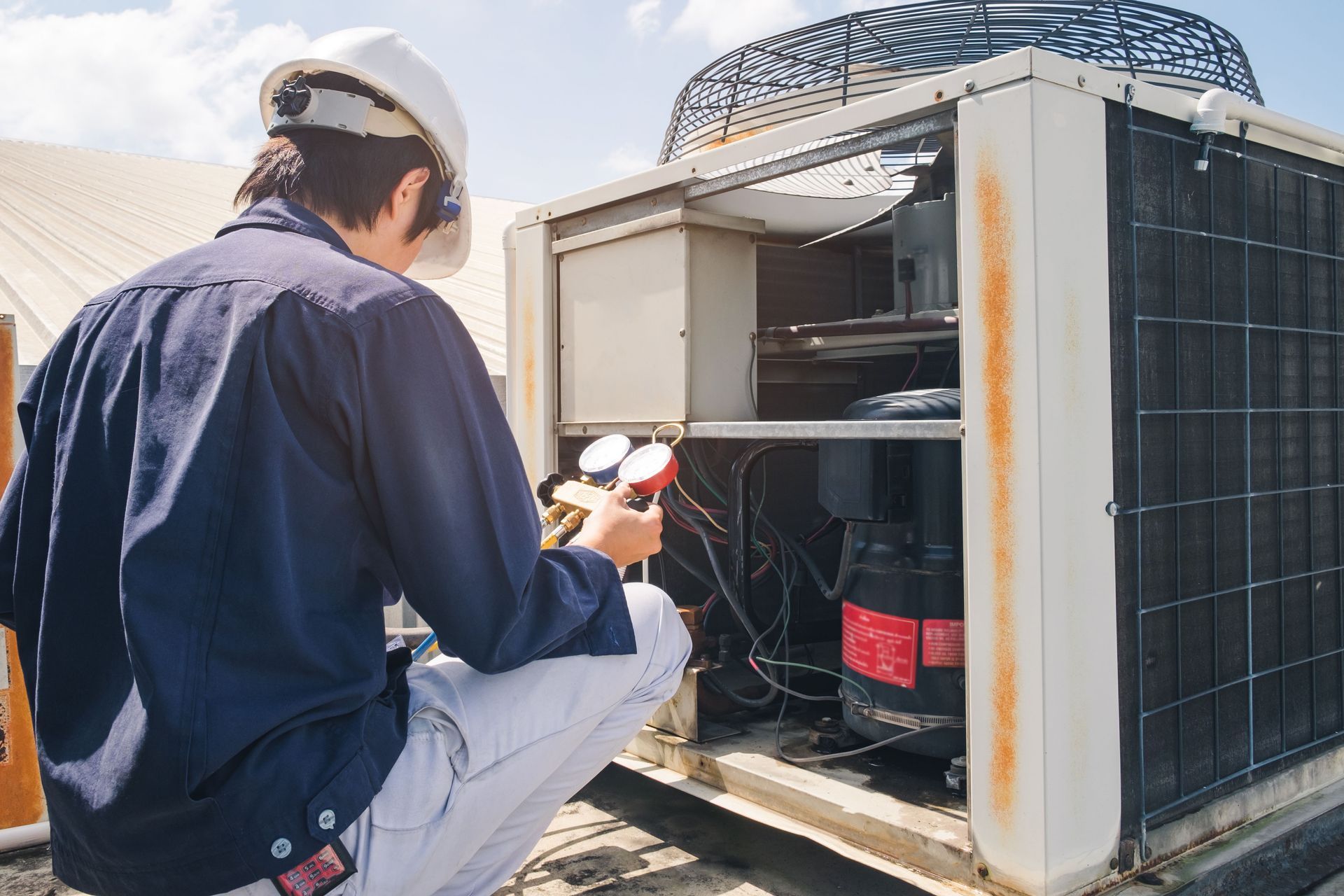
An experienced contractor can evaluate your home's layout, construction, and energy efficiency to determine whether a heat pump is a practical option or if improvements should be made first. This assessment can reveal hidden inefficiencies that affect comfort and energy use. Addressing these issues beforehand helps ensure a smoother heat pump installation process.
2. What Type of Heat Pump Is Best for My Needs?
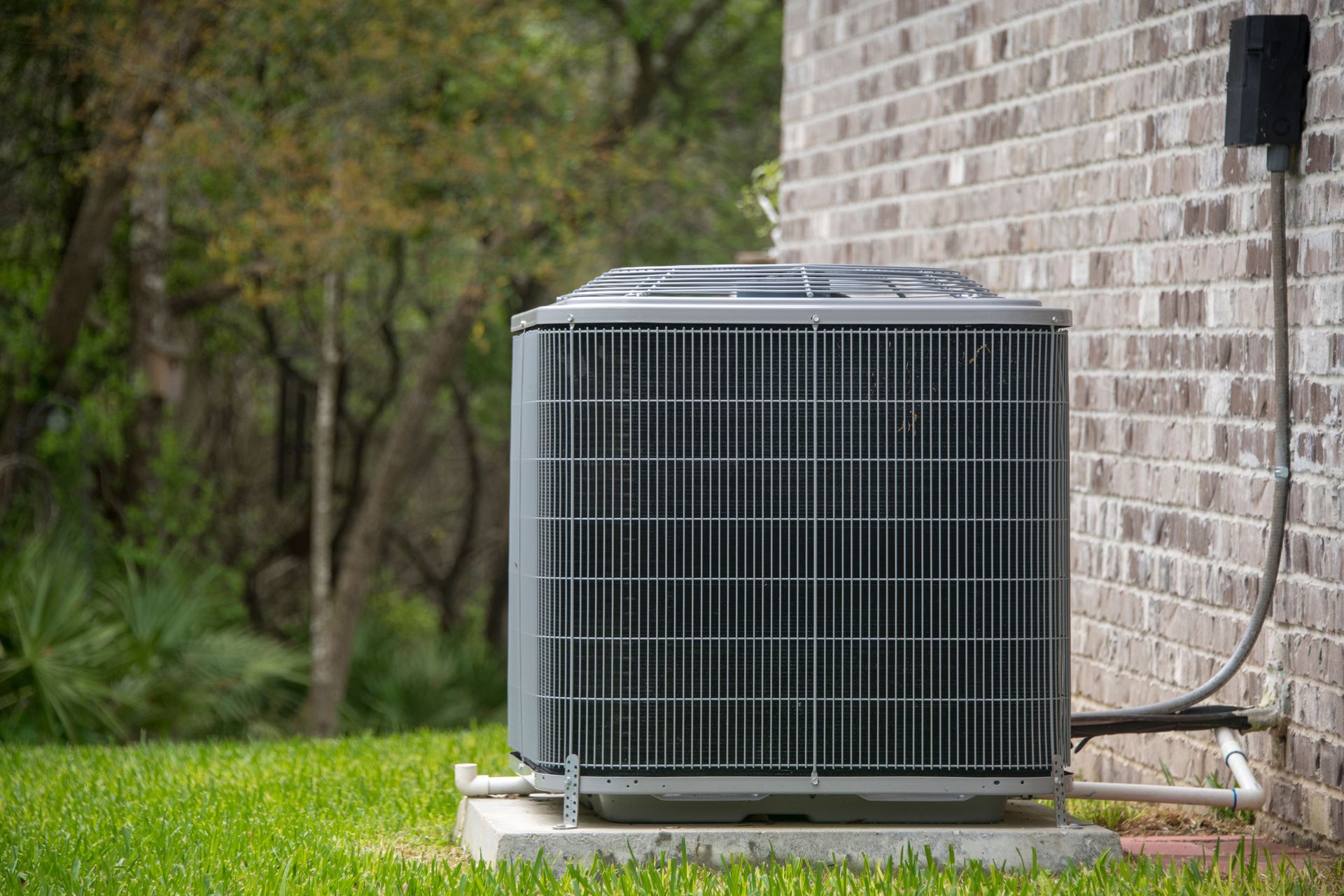
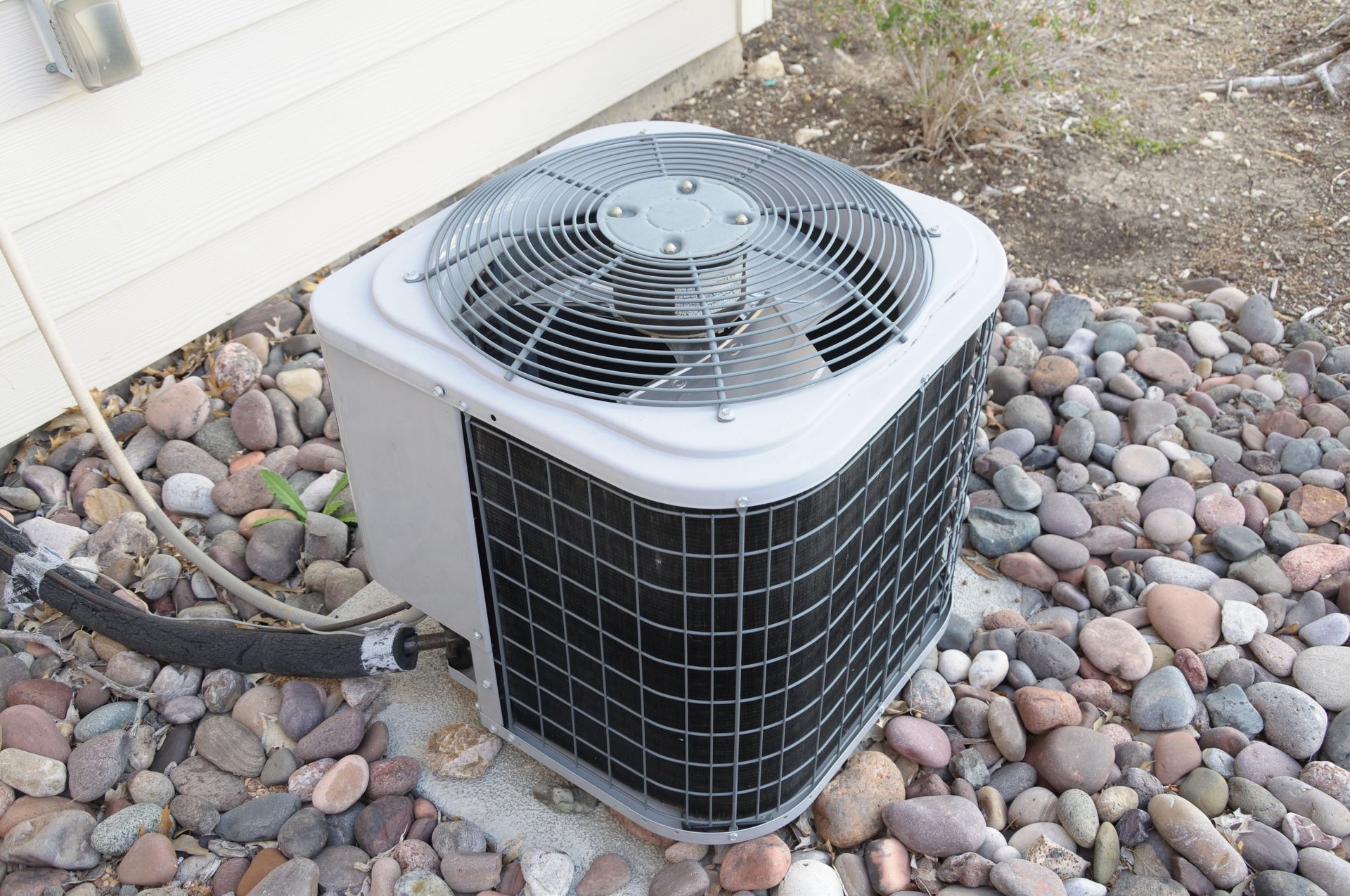
There are several types of heat pumps available, including air-source, ground-source (geothermal), and ductless mini-split systems. Each option has different installation requirements, costs, and efficiency levels. Understanding these differences early can prevent unnecessary expenses later.
Air-source heat pumps are the most common and generally more affordable, while geothermal systems offer excellent efficiency but require more extensive installation. Ductless systems are often ideal for homes without existing ductwork. The right choice depends on your home's structure, budget, and comfort goals. Considering the climate in your region is also important; for example, some air-source units are better suited to mild climates, while geothermal systems maintain efficiency in extreme temperatures.
3. What Size Heat Pump Do I Need?
Proper sizing is critical for effective heat pump installation. A system that's too small may struggle to maintain comfortable temperatures, while an oversized unit can cycle on and off too frequently. Both scenarios can lead to higher energy bills and premature wear.
Ask your installer if they perform a detailed load calculation to determine the correct size based on your home's square footage, insulation, windows, and climate. This process ensures the system matches your actual heating and cooling demands. Accurate sizing improves efficiency, comfort, and system longevity.
4. How Energy Efficient Is the System?
Heat pumps are known for their efficiency, but not all systems are created equal. Efficiency ratings such as SEER (Seasonal Energy Efficiency Ratio) and HSPF (Heating Seasonal Performance Factor) indicate how well a unit performs over time. These metrics allow for direct comparisons between models.
Higher-rated systems typically cost more upfront but can significantly reduce monthly energy bills. Over the lifespan of the system, these savings often outweigh the initial expense. Efficiency should be viewed as a long-term investment rather than a short-term cost. Additionally, high-efficiency units can contribute to reducing your carbon footprint, which is an increasingly important consideration for environmentally conscious homeowners.
5. What Is the Total Cost of Heat Pump Installation?
Beyond the price of the unit itself, heat pump installation involves labor, potential electrical upgrades, ductwork modifications, and permits. Asking for a detailed, itemized estimate helps prevent surprises later. Transparency in pricing also builds trust with your installer.
It's also worth discussing financing options, rebates, or tax incentives that may be available, as these can offset the initial investment. Incentives vary by location and system type. A knowledgeable contractor can help you navigate these opportunities. Understanding the total cost upfront allows homeowners to compare different systems and contractors effectively, ensuring a better return on investment over time.
6. Will My Existing Ductwork Work with a Heat Pump?
If your home already has ductwork, it may or may not be suitable for a heat pump system. Older ducts can have leaks, poor insulation, or sizing issues. These problems can reduce efficiency and overall comfort.
A thorough inspection can determine whether your ducts need sealing, repairs, or replacement. Improving ductwork can significantly enhance system performance. In some cases, ductless heat pump installation may be the most effective solution. Considering duct condition beforehand helps avoid hidden energy losses that could offset the efficiency gains of a new heat pump.
7. How Long Will Installation Take?
Installation timelines vary depending on the type of system and the complexity of the project. A straightforward heat pump installation may take a day or two, in our experience. More complex systems may require additional time and planning.
In our team's experience, geothermal or multi-zone systems can take several weeks to complete. Knowing the expected timeline helps you plan accordingly. Clear expectations reduce stress and help avoid scheduling conflicts. It also allows homeowners to prepare their home and family for any temporary disruptions during installation.
8. What Maintenance Will the Heat Pump Require?
Like any HVAC system, heat pumps require regular maintenance to operate efficiently and reliably. This typically includes filter changes, coil cleaning, and annual professional inspections. Neglecting maintenance can reduce efficiency over time.
Ask what maintenance tasks you can handle yourself and which require professional service. Routine upkeep helps prevent unexpected breakdowns. Proper maintenance protects the value of your heat pump installation. Additionally, scheduled maintenance can help identify small issues before they become costly repairs, extending the lifespan of your system.
9. How Much Can I Expect to Save Over Time?
One of the main reasons homeowners choose to install a heat pump is the potential for long-term savings. While savings vary based on usage, energy rates, and system efficiency, a well-installed system can significantly reduce heating and cooling costs. These savings often increase as energy prices rise.
Ask your heat pump installer for realistic estimates based on your home and current energy bills. Comparing projected savings to installation costs clarifies the financial benefits. This analysis helps homeowners make informed decisions. Understanding potential savings also allows you to plan for future energy needs and potential upgrades.
Making an Informed Decision
With the heat pump market projected to continue growing, it's clear that this technology is shaping the future of residential heating and cooling. Heat pump installation offers a compelling mix of efficiency, comfort, and sustainability. Proper planning ensures those benefits are fully realized.
By asking these questions before installing a heat pump, you can gain clarity and avoid common pitfalls. Thoughtful preparation leads to better system performance and fewer surprises. In the long run, informed choices deliver greater comfort, savings, and peace of mind. Investing time in research now can save both money and stress in the future, making the heat pump experience far more rewarding. Are you looking for a reliable HVAC company for your heat pump installation? Consider our experienced team at Laser Heating & Cooling Inc. Contact us today to learn more about our services and get started with your installation project!